
Expert Plumbing Services Delivered with Care
My Plumber Hero offers trusted plumbing and drain solutions, combining years of experience with modern techniques to ensure your home’s systems work flawlessly.
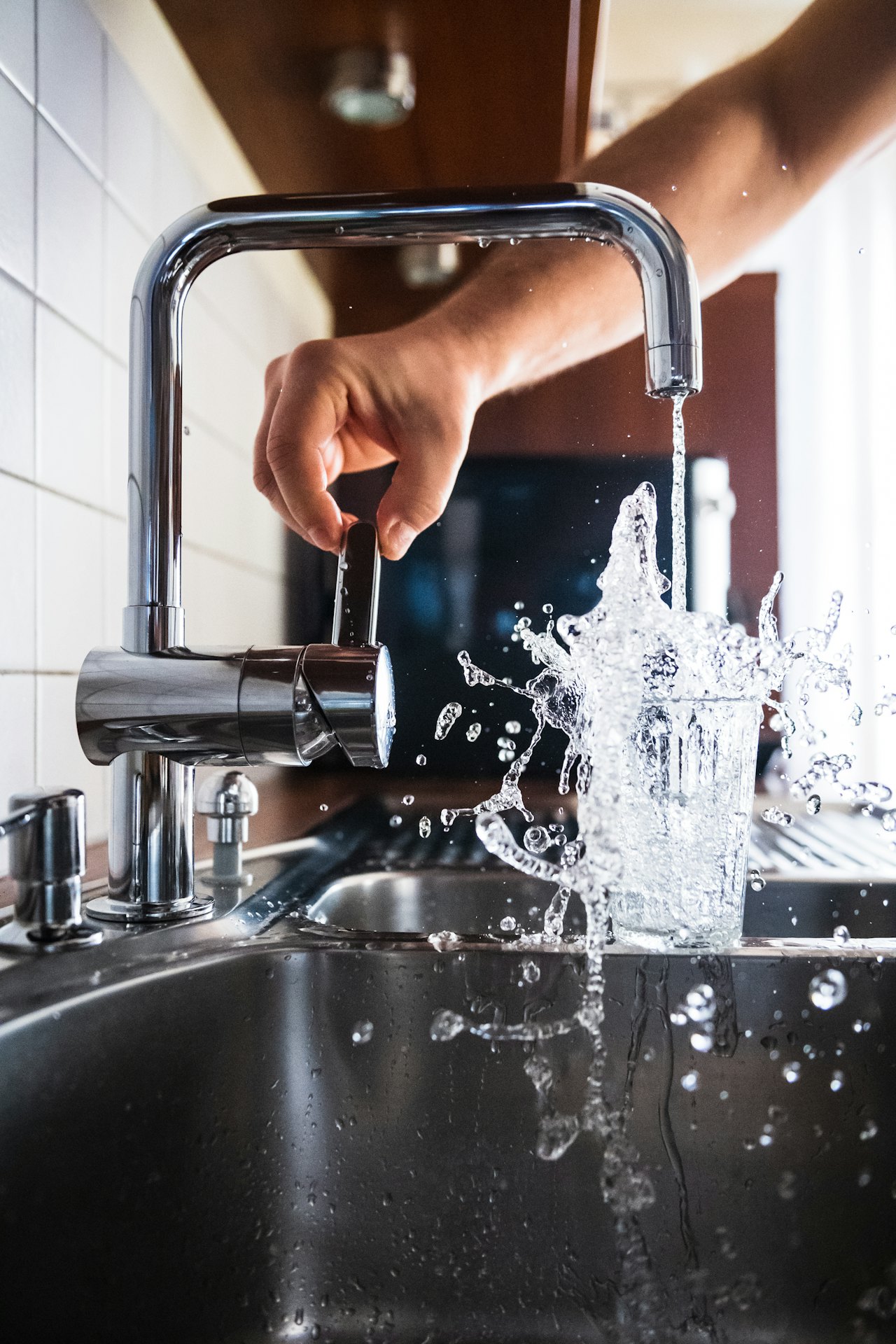
Professional Plumbing Services You Can Trust
At My Plumber Hero, our mission is to deliver reliable and efficient plumbing solutions, backed by integrity and expertise. We are dedicated to ensuring customer satisfaction through quality workmanship and honest communication.
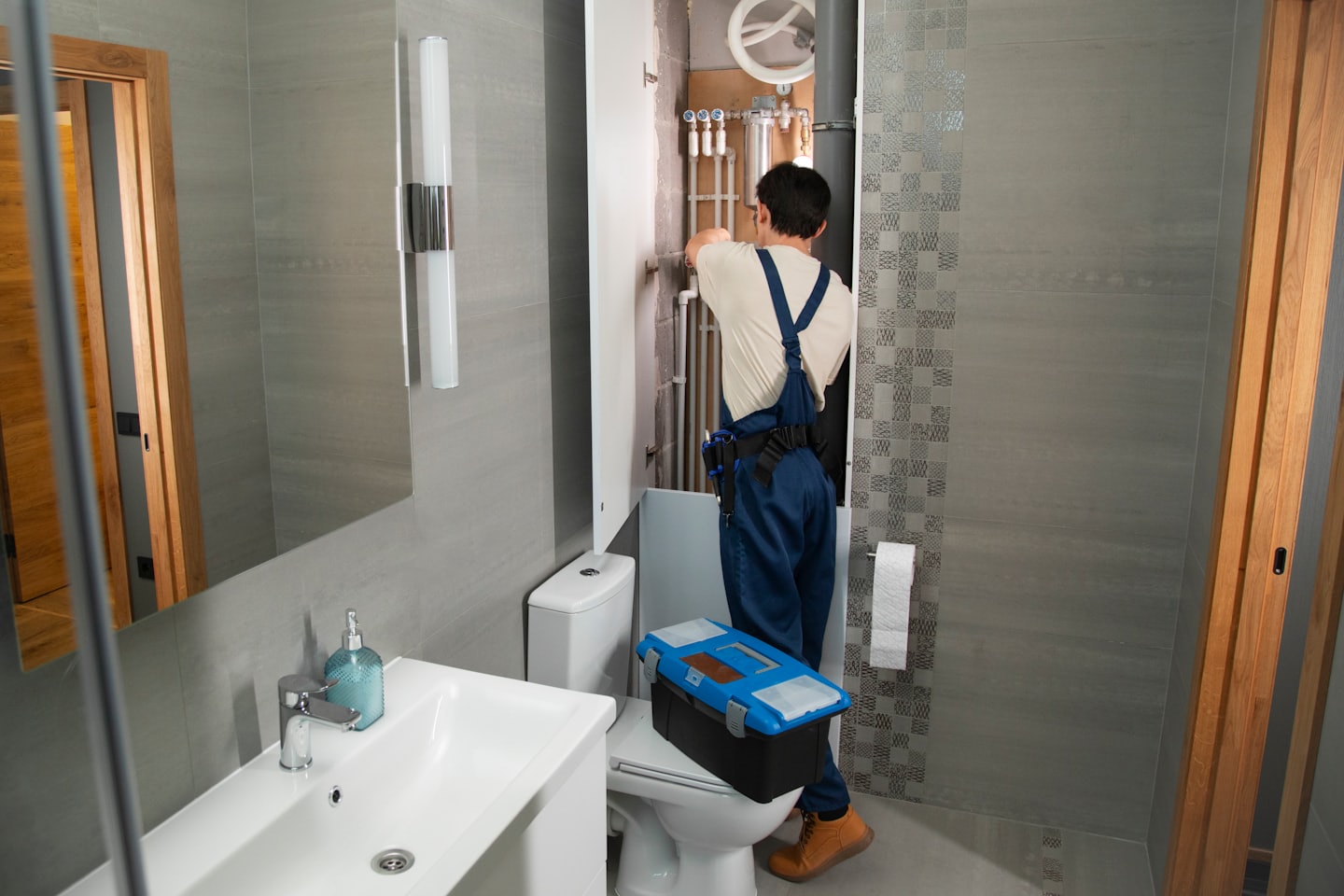
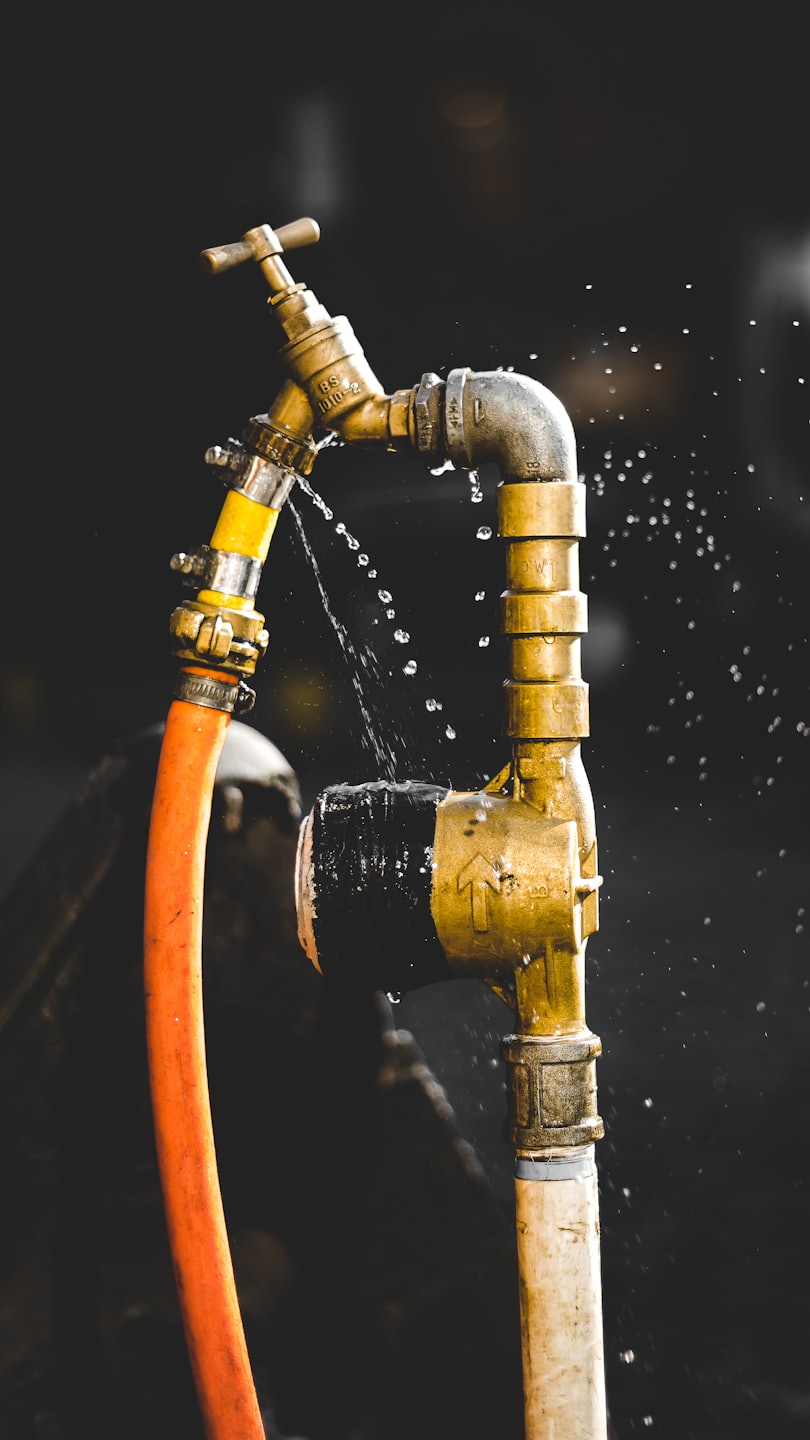
Expert Plumbing and Drain Solutions
Schedule your service with ease using our simple online booking system that ensures prompt and professional assistance.
Professional Plumbing Solutions Tailored for Your Home
Discover common plumbing issues and how My Plumber Hero delivers expert solutions to keep your systems running smoothly.

Emergency Leak Repairs
Rapid detection and repair of leaks to prevent water damage and restore peace of mind efficiently.

Drain Cleaning Services
Comprehensive drain cleaning that eliminates clogs and restores proper flow, preventing costly backups.

Water Heater Installation
Expert installation and maintenance of water heaters to ensure reliable hot water when you need it.

Routine Plumbing Maintenance
Scheduled inspections and upkeep that prevent unexpected breakdowns and extend the life of your plumbing.

My Plumber Hero transformed my leaking sink quickly and professionally—truly top-notch service.

Sarah M.
Homeowner
Professional Plumbing Services You Can Count On
Explore our comprehensive plumbing and drain solutions, ensuring expert care and customer satisfaction every time.
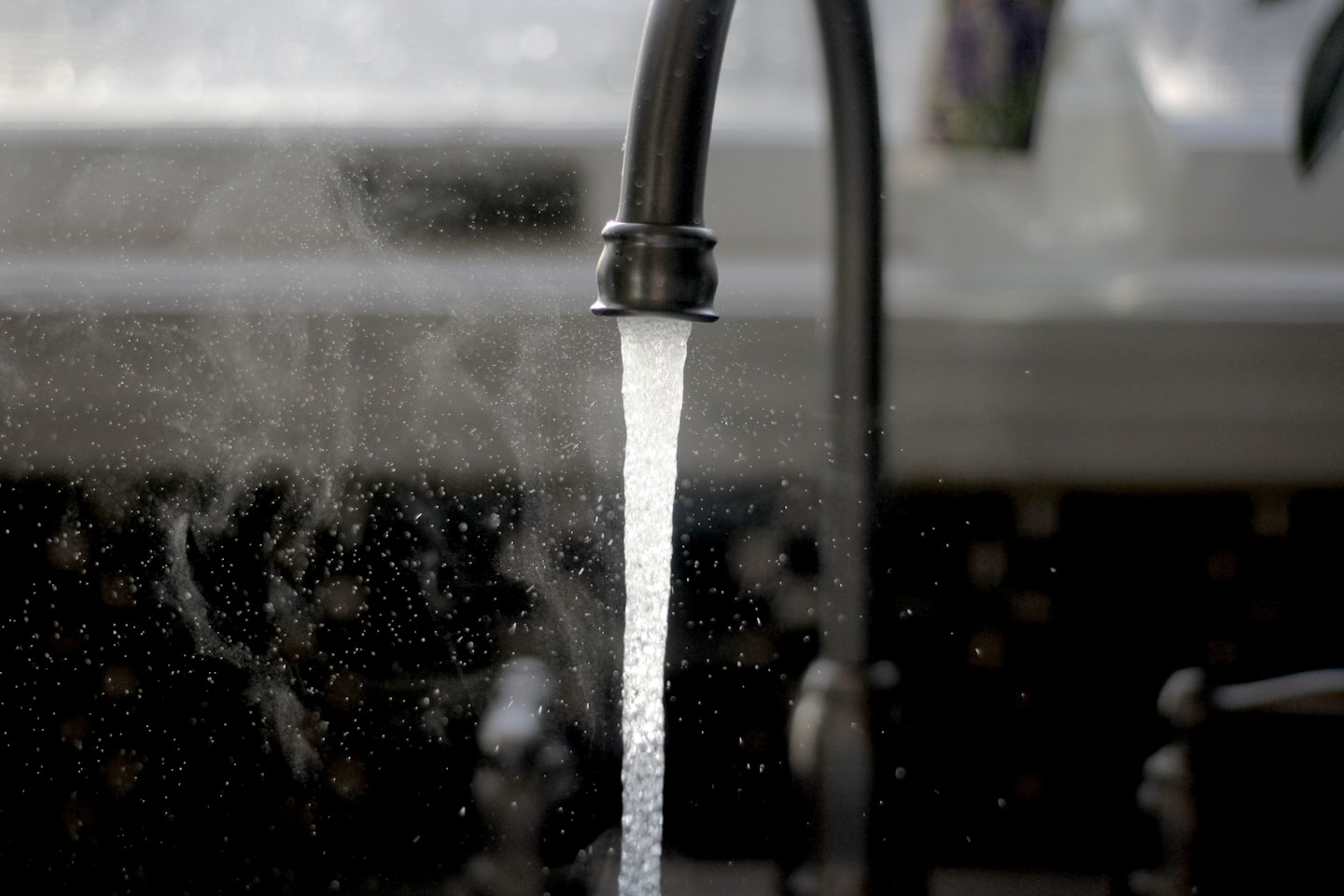
Drain Cleaning Experts
Thorough drain cleaning to keep your pipes flowing smoothly and prevent costly blockages.
Emergency Plumbing Repairs
Rapid response and precise repairs to fix leaks, clogs, and other urgent plumbing issues.
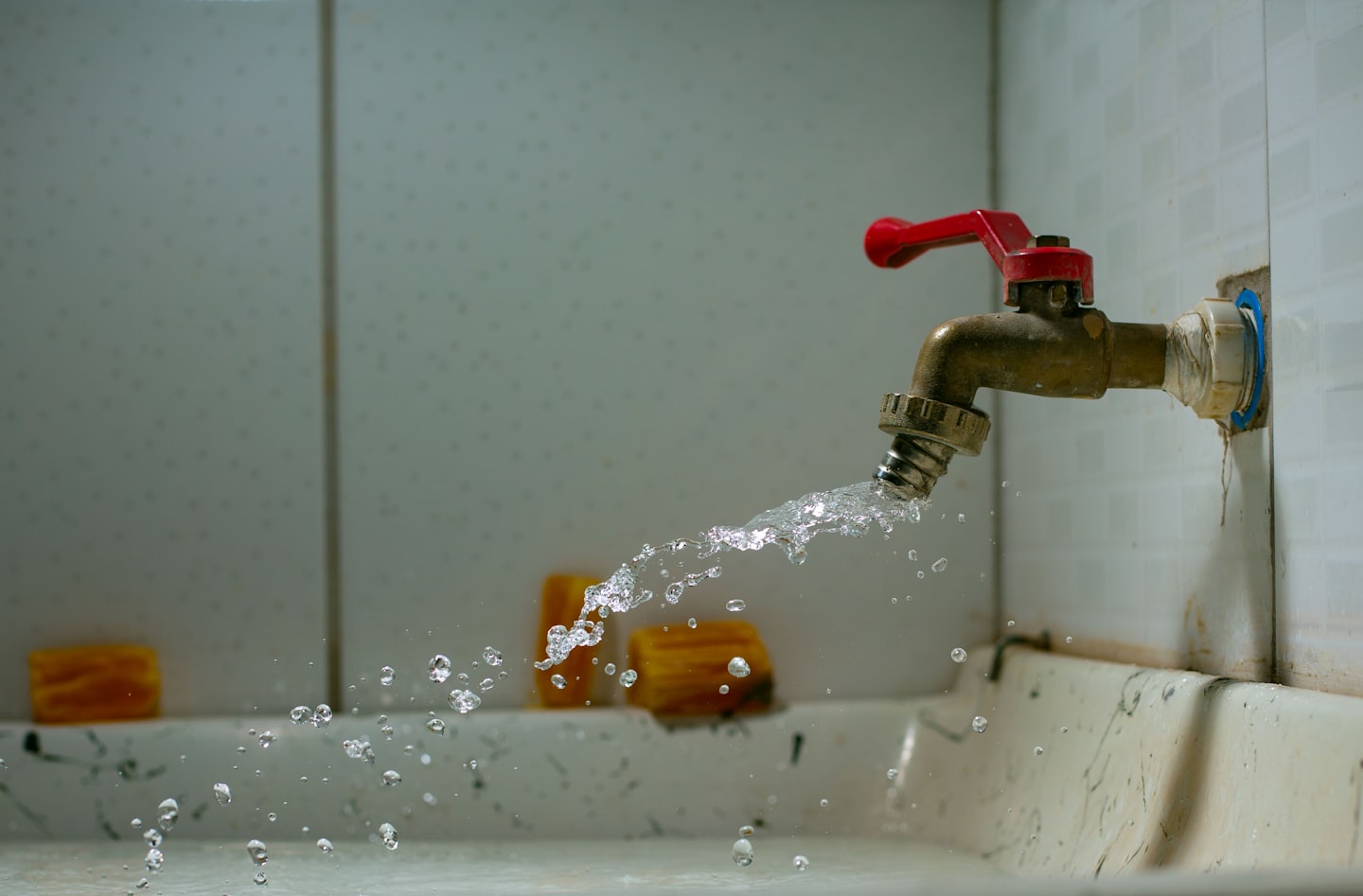
Water Heater Installation
Reliable installation and maintenance services to keep your water heater running efficiently.
Understanding Plumbing Fixtures: A Comprehensive Guide
Plumbing fixtures are essential components in any home or commercial building, providing the necessary interfaces for water delivery and waste removal. From sinks and faucets to toilets and showers, these fixtures play a crucial role in our daily comfort and hygiene. In this blog post, we’ll explore the different types of plumbing fixtures, their functions, and tips for choosing the right ones for your space.
What Are Plumbing Fixtures?
Plumbing fixtures are devices that connect to a building’s plumbing system to deliver and drain water. They include a wide range of products such as:
- Sinks and faucets: Used for washing hands, dishes, and food preparation.
- Toilets: Essential for waste disposal.
- Showers and bathtubs: Provide bathing facilities.
- Bidets: Offer personal hygiene options.
- Urinals: Common in commercial spaces for male use.
Each fixture is designed to serve a specific function while ensuring efficient water use and waste management.
Types of Plumbing Fixtures
1. Sinks and Faucets
Sinks come in various shapes and sizes, including pedestal, wall-mounted, under-mount, and farmhouse styles. Faucets vary by design and functionality, including single-handle, double-handle, pull-out, and touchless models.
2. Toilets
Modern toilets are available in several types, such as gravity-fed, pressure-assisted, dual-flush, and composting toilets. Choosing a water-efficient model can save significant water over time.
3. Showers and Bathtubs
Showers may include simple fixtures or advanced systems with multiple sprays, rainfall heads, and steam options. Bathtubs range from traditional alcove tubs to freestanding models and whirlpool tubs.
4. Bidets and Urinals
Bidets are becoming more popular for personal hygiene, often integrated with modern toilets. Urinals are typically installed in men’s restrooms for convenience and water efficiency.
Choosing the Right Plumbing Fixtures
When selecting plumbing fixtures, consider the following factors:
- Functionality: Ensure the fixture meets your needs and fits the intended space.
- Water Efficiency: Look for fixtures with WaterSense certification or other efficiency ratings to reduce water use.
- Style and Design: Choose fixtures that complement your décor and personal taste.
- Durability: Opt for high-quality materials that resist corrosion and wear.
- Ease of Maintenance: Fixtures that are easy to clean and maintain will save you time and effort.
Installation Tips
Proper installation is key to the performance and longevity of plumbing fixtures. It’s recommended to hire a licensed plumber to ensure fixtures are installed correctly and comply with local codes. Additionally, regular maintenance like cleaning aerators, checking for leaks, and replacing worn parts will keep fixtures functioning well.
Conclusion
Plumbing fixtures are more than just functional elements; they contribute to the overall aesthetic and efficiency of your home or business. By understanding the different types and considering your needs carefully, you can select the best fixtures to enhance comfort, conserve water, and elevate your space’s style.
Whether you’re renovating your bathroom, upgrading your kitchen, or outfitting a commercial property, investing in quality plumbing fixtures is a smart choice that pays off in convenience and savings over time.
Feel free to explore our collection of plumbing fixtures and find the perfect fit for your next project!
Plumbing drains are an essential component of any residential or commercial building’s plumbing system. They are responsible for carrying wastewater away from sinks, toilets, showers, and other fixtures to the sewer or septic system. Properly functioning drains ensure that wastewater flows smoothly, preventing backups and maintaining a hygienic environment.
There are several types of plumbing drains commonly used in buildings:
- Drain Pipes: These pipes transport wastewater from fixtures to the main sewer line. They are typically made from materials like PVC, ABS, cast iron, or copper. The choice of material depends on local building codes, cost, and durability requirements.
- Traps: A trap is a U-shaped pipe located beneath sinks and other fixtures. Its purpose is to hold a small amount of water to create a seal that prevents sewer gases from entering the living space. The most common types of traps are P-traps and S-traps.
- Vent Pipes: These pipes allow air to enter the plumbing system, which helps maintain proper pressure and allows wastewater to flow freely. Vents also prevent sewer gases from accumulating inside the building.
- Cleanouts: Cleanouts are access points installed on drain lines, allowing plumbers to easily clear blockages without dismantling the pipes.
Common issues with plumbing drains include clogs, leaks, corrosion, and slow drainage. Clogs are often caused by the accumulation of hair, grease, food particles, or foreign objects. Regular maintenance, such as using drain strainers and avoiding pouring grease down drains, can help prevent these problems.
When a drain becomes clogged, various methods can be employed for clearing it, including plunging, snaking, or using chemical drain cleaners. However, chemical cleaners should be used cautiously as they can damage pipes and are harmful to the environment.
In summary, plumbing drains are vital for removing wastewater safely and efficiently. Proper installation, regular maintenance, and prompt repairs are key to ensuring the longevity and functionality of the drainage system in any building.